
Shopping Cart

Sorry, there are no products in this collection
What are you looking for?


How can essential oils be used?
Topical use
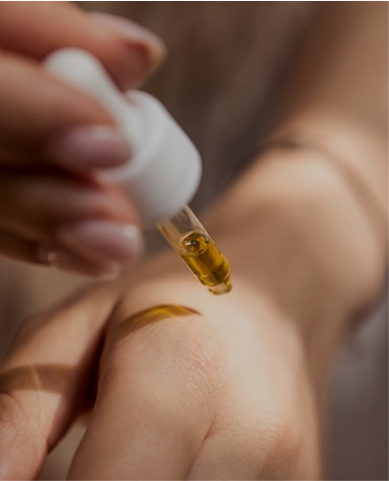
Applied to the skin. It is important to dilute the essential oil in a carrier, such as a vegetable oil.
Oral use
Taken by mouth. This is the most delicate method and the one we recommend least. One drop of essential oil is usually enough.
Inhalation
The oil is diffused into the air. You can use aroma diffusers, oil burners, or apply the oil to clothing or the surrounding area.
Frequently asked questions
See all FAQs
WHAT ARE ESSENTIAL OILS?
Essential oils are volatile aromatic compounds extracted from plants through methods such as steam distillation or cold pressing. They are the concentrated essence of the plant, capturing its aroma and beneficial properties.
HOW TO USE ESSENTIAL OILS
With just a few drops, oils can care for and nourish the skin, and their aromas can also lift, relax or help you focus. Essential oils are used in three ways: by inhalation, orally or topically.
WHAT ARE THEIR BENEFITS?
The benefits of an essential oil come from the properties of the plant it is made from. When these natural substances are properly extracted, they can support your physical, mental and emotional wellbeing.
Aromatherapy has been used for thousands of years, and research around the world continues to explore its effects.
TOPICAL USE OF ESSENTIAL OILS
Applying to the skin, also called topical use, is the main way essential oils are used, both in wellbeing and in cosmetics. The first thing to know is that, as a general rule, essential oils should always be diluted in a vegetable carrier oil before applying them to the skin. Used this way, diluted in a vegetable or base oil, topical application is considered the safest and most common method. Diluted essential oils are popular in massage and body care routines to help you relax and unwind.
INHALATION OF ESSENTIAL OILS
Diffusing essential oils is often used to freshen a room, keep insects away, create a calm atmosphere before bed, help you relax or, on the contrary, feel energised. Scents act as messengers to the brain, which is why it is important to choose the essential oil you diffuse according to the mood you want to create. The main difference is between humidifiers, which use water vapour, and nebulisers, which diffuse the pure essential oil. Broadly speaking, we recommend a nebuliser if you want to get the most out of the fragrance of the essential oil you diffuse.
ORAL USE OF ESSENTIAL OILS
This is the most delicate method. It is reserved exclusively for adults and cannot be used with all essential oils. It is important to make sure that your specific essential oil is suitable for oral use. They are usually taken diluted in olive oil, in a spoonful of honey or on a neutral tablet.
Always consult a doctor before taking essential oils orally, and prepare the blend with a professional, as some essential oils can be highly toxic when ingested. Oral use for more than 7 days is not recommended.


